




After more than two years of construction, the much-anticipated Suzhou Museum of Contemporary Art (Suzhou MoCA) came into trial operation in SIP on Jan 17.
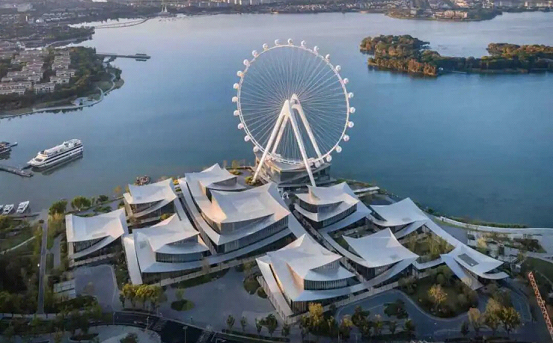
Located on the right bank of Jinji Lake, the Suzhou MoCA, designed by Danish architectural firm Bjarke Ingels Group (BIG), reimagines the architectural style of Suzhou’s classical gardens with modern techniques. Integrating innovative shapes, functions and materials, it showcases unique charm through its spatial aesthetics and contemporary architecture.
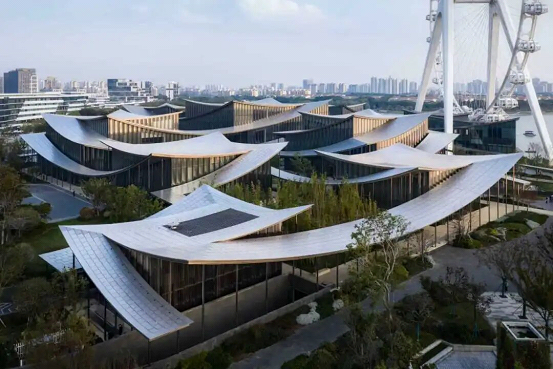
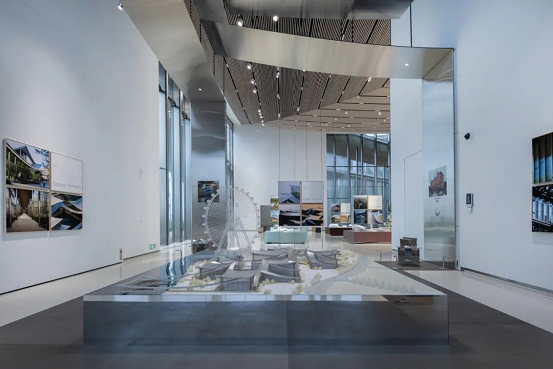
Seen from above, the ribbon-like roof winds and flows, ingeniously connecting nine independent pavilions. The stainless-steel surface of the roof and the curved vertical glass facades resemble the glazed tiles of traditional Chinese architecture. As visitors stroll through the museum, they find themselves transitioning between interior and exterior spaces, with the scenery changing at every step.
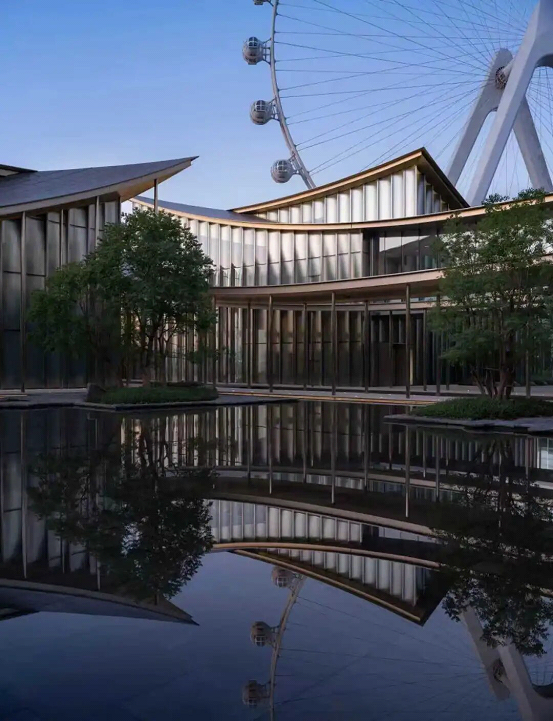
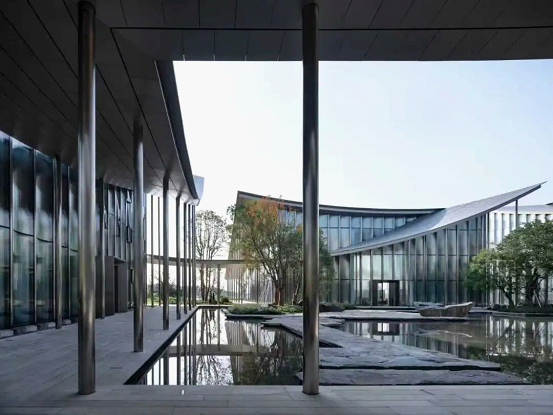
“The pavilions are designed for different purposes, such as exhibition, public education, performance and business, so we call it ‘a museum cluster’. In terms of operations, we’ve boldly broken away from traditional models, extending the museum’s reach into urban life. We’ve carried out projects before its completion to make it known to the public,” said Wang Xiaosong, executive director of the museum.
One of the projects Wang mentioned was the “Space Productivity” series which top artists participated in to bring diverse forms of art into commercial complexes and public spaces.
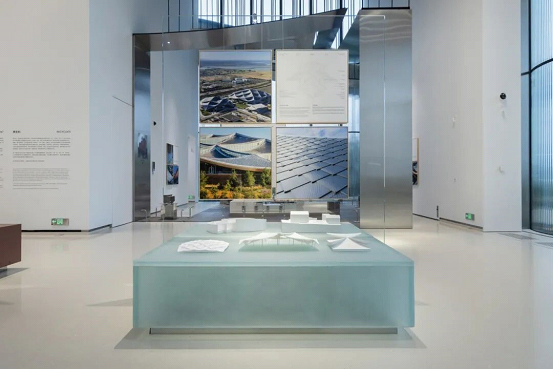
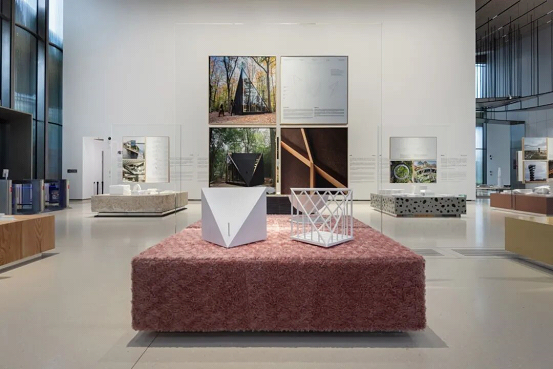
The opening exhibitions are vivid examples of the museum’s distinctive and differentiated development. One is a permanent exhibition jointly curated by the Suzhou MoCA and BIG. Located in Pavilion 7, it consists of two parts comprising 10 booths and a special exhibition zone to present a dialogue on construction logic and spatial awareness centering on materials. Particularly, with the Suzhou MoCA as a major example, it guides visitors to better understand the museum and its mission through its architectural features.
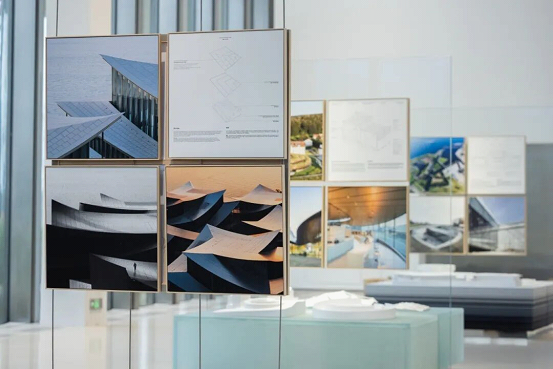
In Pavilion 4, the other one themed “The Director’s Room: Cai Chusheng” will last till Mar 8 to serve as a “window” for visitors to explore the growth and creative journey of early Chinese filmmakers and understand the modern Chinese spirit through visual culture, film language interpretation and interactive experiences.
January 18, 2026